Wembley Stadium may host additional events
England’s national stadium will be allowed to host more major events in the future. The Planning Committee of the London Borough of Brent approved the corresponding application on 11th of September.
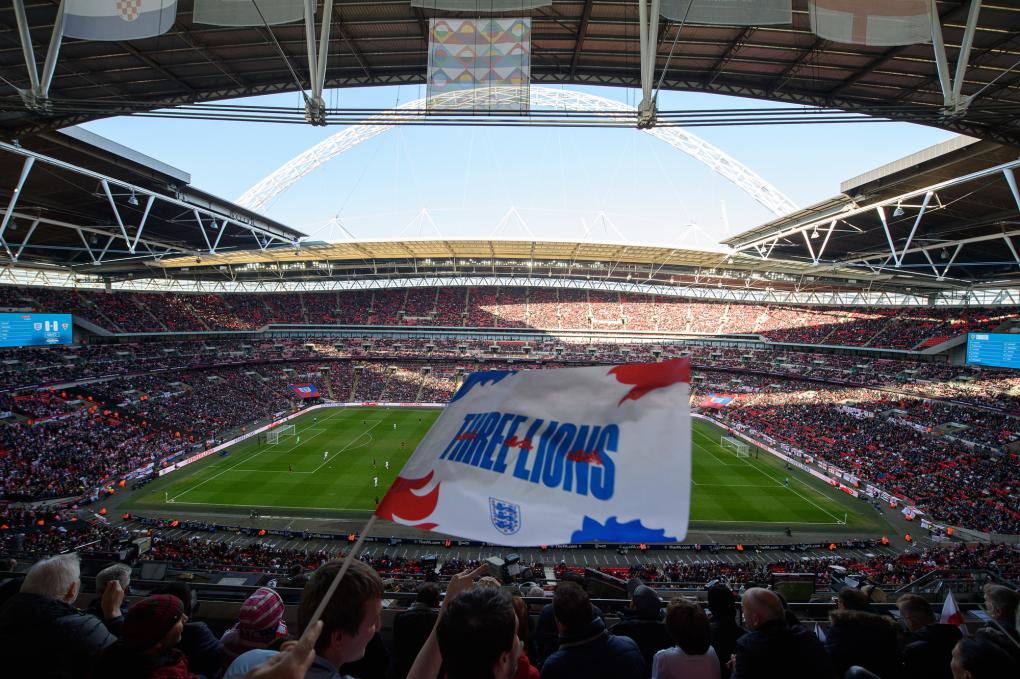
Wembley Stadium is undoubtedly one of the most iconic stadiums in the world. Originally constructed in the 1920s, it celebrated its 100th anniversary in April last year, even though the "original" Empire Stadium was replaced by a new build in 2007. With 90,000 seats, it remains the largest stadium in the United Kingdom and is a popular venue for concerts and other events, in addition to hosting all major football finals in England. In the summer of 2024, Taylor Swift set new records at Wembley Stadium, and now, the stadium will be able to hold even more events than before.
The original planning permission for the stadium imposed a cap on events to allow for the venue’s operation while necessary road and public transport infrastructure work was being completed. This “Event Cap” previously limited major events to 46 per year, with separate sub-limits for sports and non-sports events. Some interchangeability between the two categories was possible under certain conditions, with any event drawing 51,000 or more spectators classified as a major event.
The application submitted in May 2024 proposed increasing this cap by eight additional events per calendar year (raising it to 54) and changing the threshold for a major event from 51,000 to 60,000 spectators. This, it argued, would "enable the national stadium to remain competitive with other venues in London and across the country." Balancing the impact on local residents (the nearest residential building stands only 35 meters from the stadium) with Wembley Stadium’s status as a "world-renowned venue for sports and cultural events," the council eventually approved the request.
In the future, there will no longer be a distinction between sports and non-sports events. Instead, a new cap of 25 large football matches (including women’s teams) and a total of 54 major events will apply. This should give the stadium greater flexibility, particularly for hosting major concerts. Both limits are fixed, meaning event types can no longer be shifted to increase one category at the expense of the other.

Additionally, Wembley Stadium must provide Transport for London with 150,000 GBP (178,000 EUR / 198,000 USD) for the renewal of Wembley Park Station CCTV and/or signage improvements, 100,000 GBP (119,000 EUR / 132,000 USD) for a mobility study, and a further 200,000 GBP (238,000 EUR / 264,000 USD) for implementing any resulting enhancements. There are also operational fees of 750 GBP (890 EUR / 990 USD) for every event exceeding 51,000 spectators and an extra 15,000 GBP (17,850 EUR / 19,800 USD) from the 47th major event onward. Up to 200,000 GBP (238,000 EUR / 264,000 USD) is allocated for general surveillance around the stadium area.
The borough hopes that these additional events will generate economic benefits, translating to more revenue. “If the proposed eight additional major events attract a similar number of spectators to those hosted in 2022 and 2023, this would be expected to lead to additional direct spending in the area of approximately 34.8 mio. GBP (41.3 mio. EUR / 46 mio. USD),” explained the planning office. “Moreover, additional high-capacity events will also result in an increase in staff needed to manage and deliver such events on event days.” (stadiaworld, 18.09.2024)