UK Sport to Examine Possible Olympics Bid
The government has commissioned its expert arm’s-length body UK Sport to carry out an initial strategic assessment examining whether the UK could host an Olympic and Paralympic Games in the North of England during the 2040s.
As “an initial assessment only”, the findings shall determine whether to proceed with a more detailed technical feasibility study, examining the costs, benefits, and viability of hosting the Games. The UK government hopes, this could “deliver transformational regeneration and growth in the North”. Additionally, a “Stadium Regeneration Accelerator” and a new Major Sporting Events Bill have been proposed.
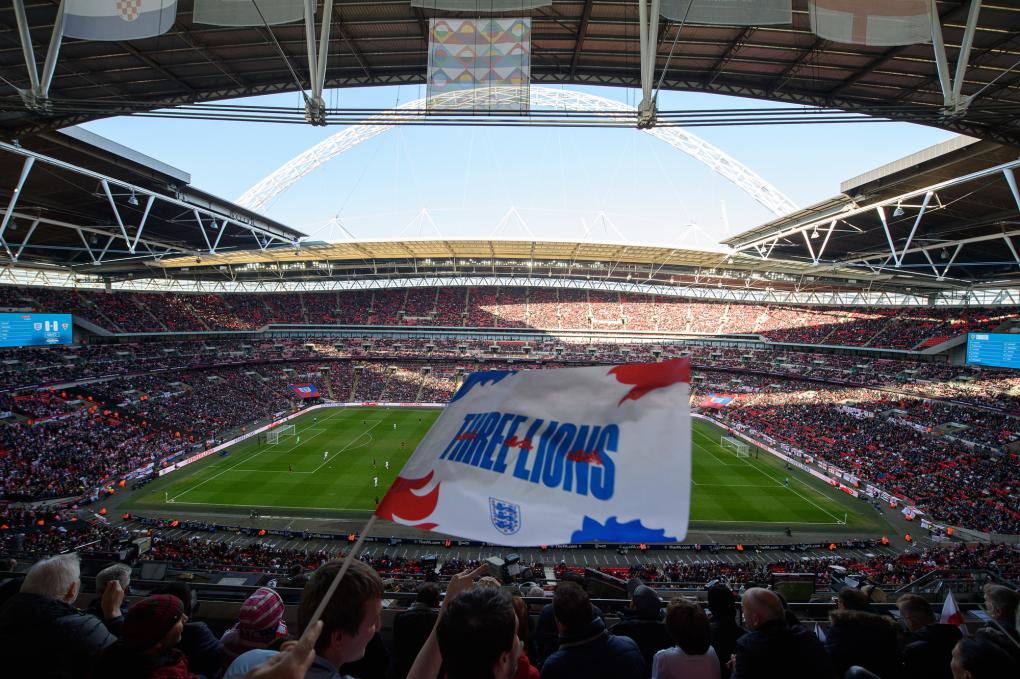
The Government firmly sees major sporting events and sporting facilities as playing a key role in driving economic growth, regeneration, improving pride in place, and bolstering the UK’s global appeal. Culture Secretary Lisa Nandy said: “London 2012 showed what the Olympics can do for our country. It inspired a generation through sport, attracted huge investment and showed the best of Britain to the world. But while the North of England has driven so much sporting excellence, no matter the talent we produce, the sporting moments we create, and the world-class events we attract – for too long we have been told the Olympics is simply too big and too important to be hosted in the North. Not any more. It’s time the Olympics came North and we showed what we can offer to the world. I couldn’t be more pleased to announce that we’re starting the firing gun on a long overdue vote of confidence in the North.”

Northern England is positioning itself to host the Olympic Games. Liverpool and Manchester are not the only cities with numerous sports facilities already in place. stadiaworld examines which venues could be part of a bid.
Any final decision on if and when a future bid might take place is for the British Olympic Association and British Paralympic Association to take.
The Government has also announced “a wave of new work to use sport as a catalyst for local regeneration and economic growth”. This includes:
- A Stadium Regeneration Accelerator:
A new cross-government programme to work with sporting bodies on priority sports infrastructure development projects such as stadiums that “can help deliver local regeneration and commercial growth”. Funding will not be used for the regeneration of these stadiums but the government will work with sports clubs and leagues to search for opportunities for large-scale housing delivery, jobs, apprenticeships, transport improvement and community sports facilities. The Department for Culture, Media and Sport (DCMS) will work alongside the Office for Investment (OfI) HM Treasury and Ministry for Housing, Communities and Local Government with sports bodies such as the Premier League, the English Football League and the WSL Football. Together they want to identify and unblock barriers to development at both a national and local level. The OfI will act as the front door for potential investors to be involved in the programme. Planned projects across England include proposals in Greater Manchester, Birmingham, Newcastle, Leeds, Liverpool and London that have the potential to regenerate their surrounding areas. The government will also look at best practices by from Europe and further afield. - A new Sporting Events Bill:
A new Bill aims to make it easier to bid for, secure and deliver major sporting events in future, including UEFA EURO 2028. It will also make the unauthorised resale of tickets for designated major events a criminal offence, ensuring more tickets reach real fans at face value rather than being snapped up by touts and resold. It is expected to reduce bureaucracy and provide greater commercial opportunities to event owners. - UK Government Strategy for Major Events:
The government will set out its plans to support and provide leadership to the nation’s wider major events sector, by delivering a cross-sector strategy within the coming year. The strategy will cover major events in all sectors – cultural, sporting and business – and “will ensure that major events continue to drive economic growth, enhance the UK’s soft power across the globe, and strengthen social cohesion in our towns and cities”. - A Ministerial Adviser on Soft Power and Major Events:
The government has also appointed Lord McConnell as a Ministerial Adviser on Soft Power and Major Events. Lord McConnell, who was central to bringing the Commonwealth Games to Glasgow in 2014, will support the government’s ambition to cement the UK’s position as the go-to destination for the world’s most prestigious sporting and cultural events, drawing on his experience in international affairs, public policy and supporting the delivery of major events.

Several major sporting events lay ahead for the UK: the ICC Women’s T20 World Cup, the European Athletics Championships in Birmingham and the Commonwealth Games in Glasgow. In 2027, the Tour de France and Tour de France Femmes Grands Départs will be the most accessible major sporting event ever held in Great Britain. UEFA EURO 2028 is expected to have the greatest impact.
With a variety of different projects on the horizon, England looks to be set for a veritable stadium construction boom. The same cannot be said for Germany, which begs the question: Will England soon overtake Germany in terms of stadium capacity? Find the stadiaworld report here.
Richard Masters, Premier League Chief Executive added on the topic of the Stadium Accelerator: “The stadium investment pipeline across the Premier League now amounts to an estimated £5 billion, with a number of clubs actively considering significant additional projects. These private investments can deliver substantial public benefits, and accelerating delivery can help to boost economic growth. Developing partnerships to create transport and community infrastructure is often vital to unlocking redevelopment. That will help to strengthen the pipeline of viable projects and enable faster delivery, benefiting football fans as well as local residents and businesses. We welcome this programme and look forward to working with our clubs, the government, mayors and local authorities to help make it a success.” (stadiaworld, 21.05.2026)